

Sports gambling has evolved beyond traditional pre-match wagering. One of the most significant developments is in-play betting, also known as live betting. Platforms such as yono777 reflect how digital betting environments are expanding access to real-time wagering experiences. This allows players to place wagers while a game is actively happening. Odds shift in real time based on performance, scores, and match events. This fast-moving environment is reshaping how people approach risk. Understanding how in-play betting is changing risk behavior in sports gambling helps explain new patterns in decision-making among modern bettors.
Increasing the Speed of Decision Making
In-play betting forces players to make rapid decisions. Unlike traditional betting, there is little time to reflect. Odds change within seconds. A goal, foul, or injury can instantly shift outcomes. Players must react quickly or miss opportunities. This speed reduces the time available for careful analysis. Many bettors rely on instinct instead of research. Quick decisions often increase emotional involvement. This shift in timing significantly affects risk behavior.
Enhancing Emotional Reactions During Live Events
Live betting intensifies emotional engagement. Watching a game while actively betting creates a strong psychological connection. Every moment becomes financially significant. A missed chance or sudden score can change betting choices immediately. Emotions such as excitement and frustration become stronger. This emotional intensity can lead to impulsive decisions. Players may increase stakes during exciting moments. They may also chase losses in real time. This creates a cycle where emotions influence risk more than logic.
Encouraging Continuous Betting Cycles
In-play betting removes natural breaks found in traditional wagering. Instead of waiting for a match to end, players can continuously engage. Each event creates new betting opportunities. Halftime, substitutions, and momentum shifts all trigger decisions. This constant availability increases engagement time. Players may place multiple bets within a single match. The continuous cycle reduces pauses for reflection. As a result, risk-taking becomes more frequent. This structure changes how players manage their betting behavior.
Increasing Perception of Control Over Outcomes
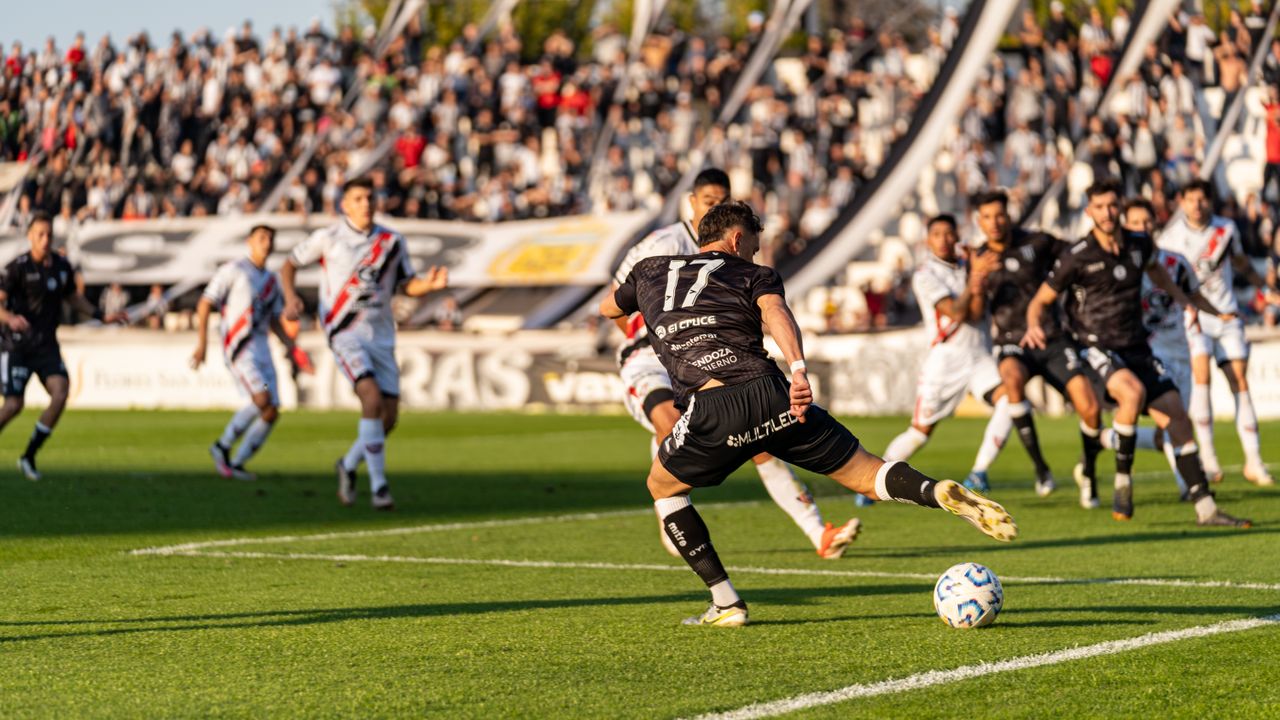
One of the most important psychological effects of in-play betting is the illusion of control. Players feel they can respond to live events and adjust their decisions accordingly. They may believe they can predict momentum shifts. A strong performance by a team may influence confidence in new bets. This sense of control can encourage higher-risk behavior. Even when outcomes remain statistically unpredictable, players feel more involved. Real-time data feeds reinforce this perception. Live statistics and commentary support quick judgments. This creates confidence that may not match the actual probability.
Driving Risk Through Real-Time Information Overload
In-play betting platforms provide a large amount of real-time information. This includes statistics, player performance data, and live commentary. While helpful, this constant flow of data can be overwhelming. Players may struggle to interpret information quickly. They might focus on short-term events instead of overall patterns. This can lead to reactive betting decisions. Risk behavior increases when decisions are based on incomplete analysis. The speed of information often outweighs careful reasoning. As a result, betting becomes more reactive than strategic.
Changing Long-Term Betting Habits
Over time, in-play betting can reshape overall gambling habits. Players become accustomed to fast decision-making and constant engagement. Traditional betting may feel slower or less exciting. Bettors may prefer live markets over pre-match wagers. They may develop habits of frequent, smaller bets. Risk tolerance can gradually increase due to repeated exposure. This shift can influence how individuals manage their betting budgets. It also changes expectations about the pace of gambling experiences. In-play betting has become a defining feature of modern sports wagering behavior.
In-play betting has significantly transformed risk behavior in sports gambling. By increasing speed, emotional intensity, and continuous engagement, it creates a more dynamic betting environment. Players are encouraged to make faster decisions with less reflection, often influenced by real-time events and emotional reactions. While it offers excitement and flexibility, it also increases the likelihood of impulsive choices. Understanding these behavioral shifts is important for recognizing how modern sports gambling continues to evolve in a fast-paced digital landscape.…